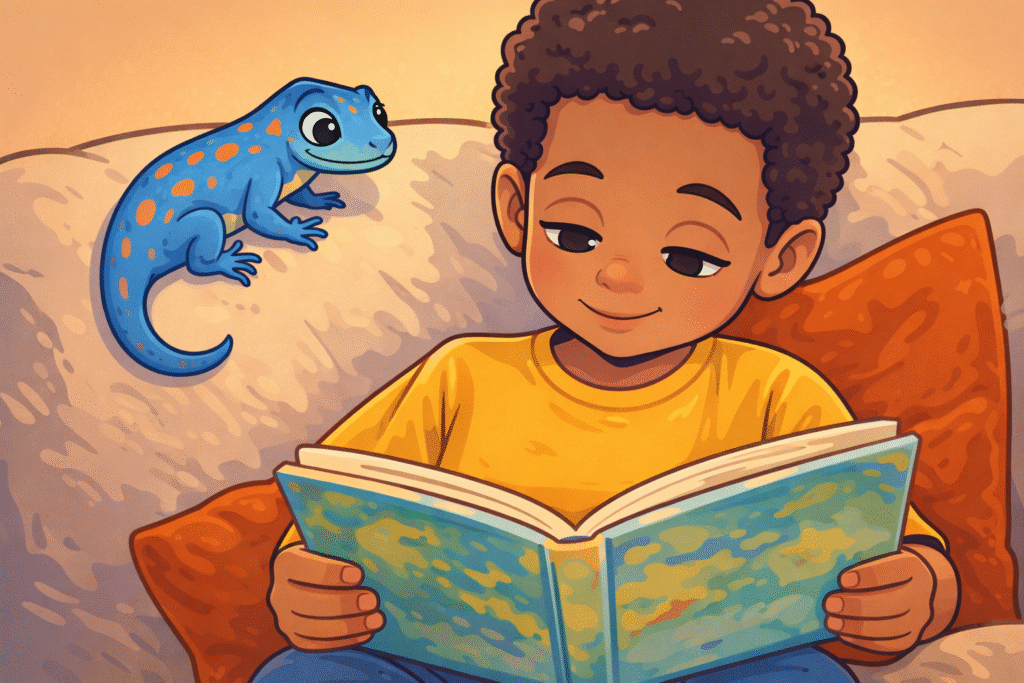
Reading comprehension isn’t only about decoding words. It depends heavily on how safe a child feels while reading.
When children feel emotionally safe, their brains are more open to understanding, remembering, and engaging with stories. When they feel stressed, rushed, or judged, comprehension often drops — even if they can read the words.
What Is Emotional Safety?
Emotional safety means a child feels:
- calm and supported
- free from pressure or fear of mistakes
- accepted, even when they struggle
In reading, emotional safety allows children to focus on meaning instead of worry.
How Emotional Safety Supports Comprehension
When children feel safe, they are more likely to:
- stay focused on a story
- understand characters and events
- remember what they’ve read
- ask questions and share ideas
Stress or anxiety can disrupt comprehension by diverting attention from the text.
Signs a Child May Not Feel Safe While Reading
A child may struggle with comprehension if they:
- rush through reading
- avoid reading aloud
- shut down when asked questions
- become easily frustrated or distracted
These behaviours often reflect emotional discomfort, not lack of ability.
Simple Ways to Create Emotional Safety During Reading
Parents and educators can support emotional safety by:
- allowing mistakes without correction in the moment
- avoiding time pressure or comparison
- reading together instead of testing
- praising effort rather than accuracy
A calm environment helps children process and understand what they read.
Why This Matters
When emotional safety comes first, reading becomes meaningful instead of stressful. Children don’t just read words — they connect with stories, ideas, and emotions.
Strong comprehension grows naturally when children feel safe, supported, and confident.